Earthquakes remain New Zealanders’ top natural hazard concern
Earthquakes remain the natural hazard New Zealanders are most concerned about, according to new research from the Natural Hazards Commission Toka Tū Ake (NHC Toka Tū Ake) – with most people expecting earthquakes could cause moderate to substantial damage to their home or land.
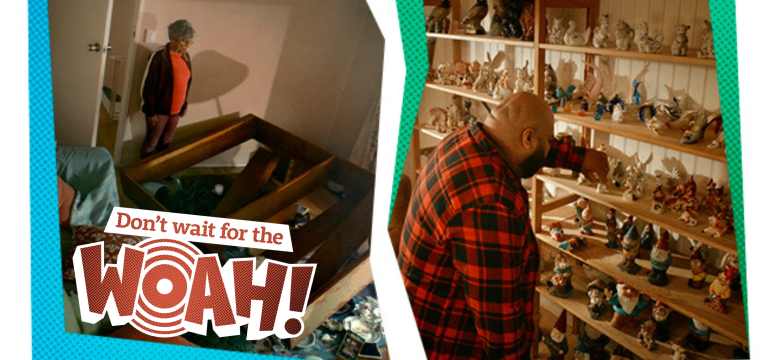
The research highlights that concern about earthquakes remains high across the country, despite many New Zealanders already understanding there are steps they can take to reduce risk around their homes.
Seventy per cent of survey respondents and 74 per cent of homeowners say they are aware of actions they can take to make their homes safer and stronger in a natural disaster. However, turning awareness into action remains a challenge, with cost, time and perceived necessity among the biggest barriers.
In response, NHC Toka Tū Ake has just launched Don’t Wait for the Woah, Quake safe your place, a new preparedness campaign encouraging New Zealanders to take practical, achievable steps now to reduce the risk of injury, damage and disruption before the next big shake.
NHC Toka Tū Ake Public Education Manager, Hamish Armstrong says “earthquakes are part of life in Aotearoa New Zealand. We don’t need to be scared of them, but we do need to be prepared.”
“We know many households are under pressure right now, and this campaign recognises that not every preparedness action is quick, easy or affordable. But every step helps.”
The campaign encourages people to start with simple, low-cost actions inside the home, such as securing tall furniture and appliances, moving heavy items to lower shelves, and checking how to turn off water and gas supplies.
It also encourages households to make plans for bigger jobs over time, including checking older chimneys for damage and understanding whether foundations are properly connected to the house above.
“Some actions can be completed in an afternoon, while others may need professional advice and longer-term planning,” Hamish says.
“If bigger jobs are not possible right now, people can still take the first step — understand the risks, get advice, make a plan, and look for opportunities to tackle the work alongside future renovations or repairs.”
NHC Toka Tū Ake research also show many people who have taken preparedness actions describe feeling relieved afterwards, saying it is “one less thing to worry about” or “a real weight off my mind”.
“That is the heart of Don’t Wait for the Woah,” says Hamish.
“Preparedness is built step by step. Once a job is done, it’s done — and your home and whānau are in a stronger position when shaking starts,” he says.
New Zealanders can visit the Don’t Wait for the Woah, Quake safe your place campaign page for guidance on securing furniture and appliances, checking chimneys, bracing hot water cylinders and checking foundations.